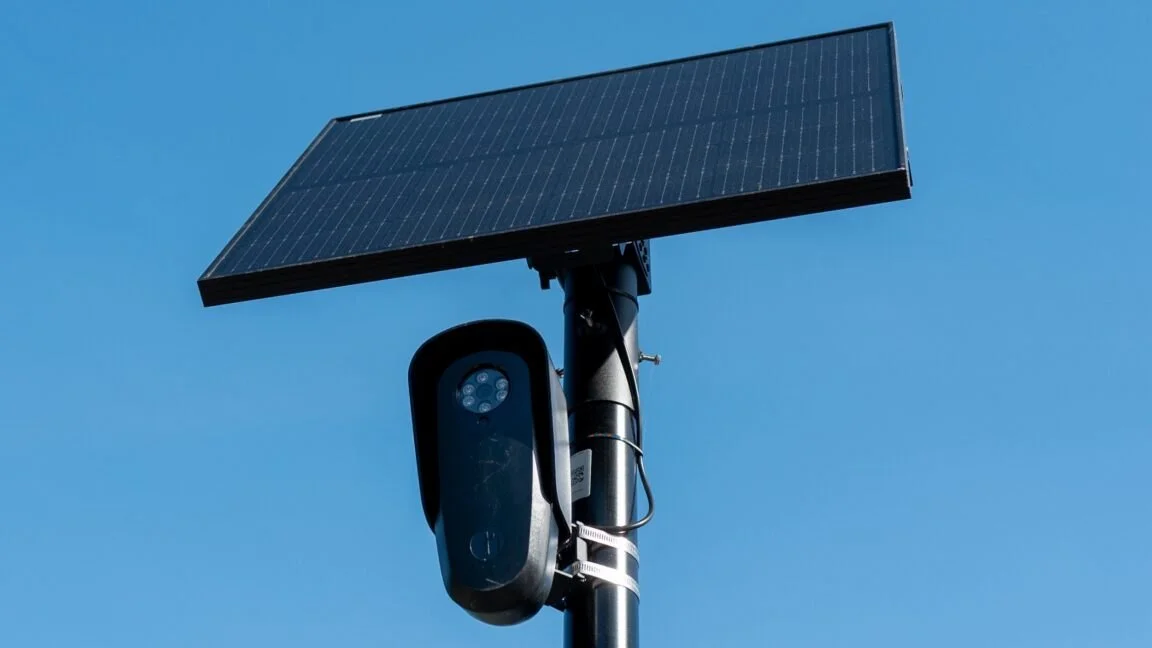
Leonardo, a security company, markets a system called SignalTrace that works with automatic license plate readers. It detects wireless signals from devices like phones and smartwatches, groups them, and links them to license plate records.
According to the company, the system does not identify people directly; it collects electronic signatures only. But those signatures can be matched to vehicles and locations, giving investigators a way to identify a person later through other records.
SignalTrace is already in use: some devices are installed in Oxon Hill, Maryland, and its predecessor appears on New York state's contract price list.
The system stores electronic fingerprints and can recognize a vehicle even without seeing its plate. It is designed to develop leads, not to name a person on its own.
Researchers point to privacy concerns. A study in Scientific Reports found that four time-and-place points were enough to uniquely identify 95% of 1.5 million people in a mobility dataset. U.S. courts have also ruled on similar issues: in Carpenter v. United States, the Supreme Court found that phone location records are protected by the Fourth Amendment. In June 2026, the court held in Chatrie v. United States that obtaining location data was a search.
Repeated proximity can reveal social ties, as shown by a study that classified friendships from Bluetooth data. SignalTrace has not been independently tested for accuracy, but the pattern of association could direct police attention before a name is known.